

Choosing between a collagen mask vs retinol depends on whether you want immediate surface plumping or long term cellular renewal. While both products are essential for a comprehensive anti aging strategy, they target different layers of the skin to improve elasticity and texture. This guide compares their benefits and explains how to use both for a radiant K beauty glow.
Collagen Mask vs Retinol Comparison Table
To understand how these two skincare powerhouses differ, it is helpful to look at their primary functions, expected results, and how they feel on the skin. This table provides a quick look at the core differences between a high quality collagen mask vs retinol treatment.
| Feature | Collagen Night Mask | Retinol Serum/Cream |
|---|---|---|
| Primary Benefit | Immediate plumping and hydration | Long term cellular turnover |
| Mechanism | Surface wrapping and moisture locking | Stimulating collagen production |
| Skin Sensitivity | Very low, usually soothing | Higher risk of irritation/purging |
| Time to See Results | Overnight for glow and moisture | 4 to 12 weeks for fine lines |
| Texture | Peel off film or thick jelly cream | Lightweight serum or oil |
How Retinol Works for Anti Aging Results
Retinol is a derivative of Vitamin A that is widely considered the gold standard for treating fine lines and wrinkles. When applied to the skin, retinol converts into retinoic acid, which communicates with skin cells to increase turnover and stimulate the production of new collagen deep within the dermis. This process helps to thicken the skin and smooth out deep set wrinkles over several months of consistent use.
Because retinol speeds up cell renewal, it also helps with hyperpigmentation and acne. However, this high level of activity comes with a trade off. Many users experience dryness, flaking, or redness when they first start using retinol. This is known as the retinization period. To minimize these side effects, many people look for gentle alternatives or supplementary products that can support the skin barrier while the retinol works its magic.
For a detailed breakdown of how Vitamin A compares to topical collagen, you can read our Retinol vs Collagen A Complete Guide for Anti Aging. Understanding the chemical differences helps you choose the right strength for your specific skin type.
The Science Behind the Collagen Night Wrapping Mask
A collagen mask vs retinol approach differs because the mask focuses on the skin surface and immediate moisture retention. The YURI Collagen Night Wrapping Mask creates a thin, breathable film over the face that prevents trans epidermal water loss while you sleep. This wrapping effect ensures that the nutrients in your skincare routine are pressed into the skin rather than evaporating into the air.

This product is priced at $45 and is designed as a final step in your routine. Unlike retinol, which can be drying, a collagen mask is inherently hydrating. It provides that glass skin finish by temporarily filling in fine lines with intense moisture. It is an excellent choice for nights when your skin feels tight or sensitive, making it a perfect gentle alternative for those who cannot tolerate high concentrations of Vitamin A. Learn more about why these masks are a top choice in our article on Collagen vs Retinol for Wrinkles and Why Collagen Masks Are the Best Gentle Alternative.
Why You Should Consider the Laneige Water Sleeping Mask
If your primary concern is dehydration rather than deep wrinkles, the Laneige Water Sleeping Mask is a well known competitor in the K beauty space. Priced at $33, this mask has a lightweight, refreshing gel formula that is designed to gently cool and seal in hydration. It is packed with squalane, niacinamide, and ceramides, which are essential for maintaining a healthy skin barrier.
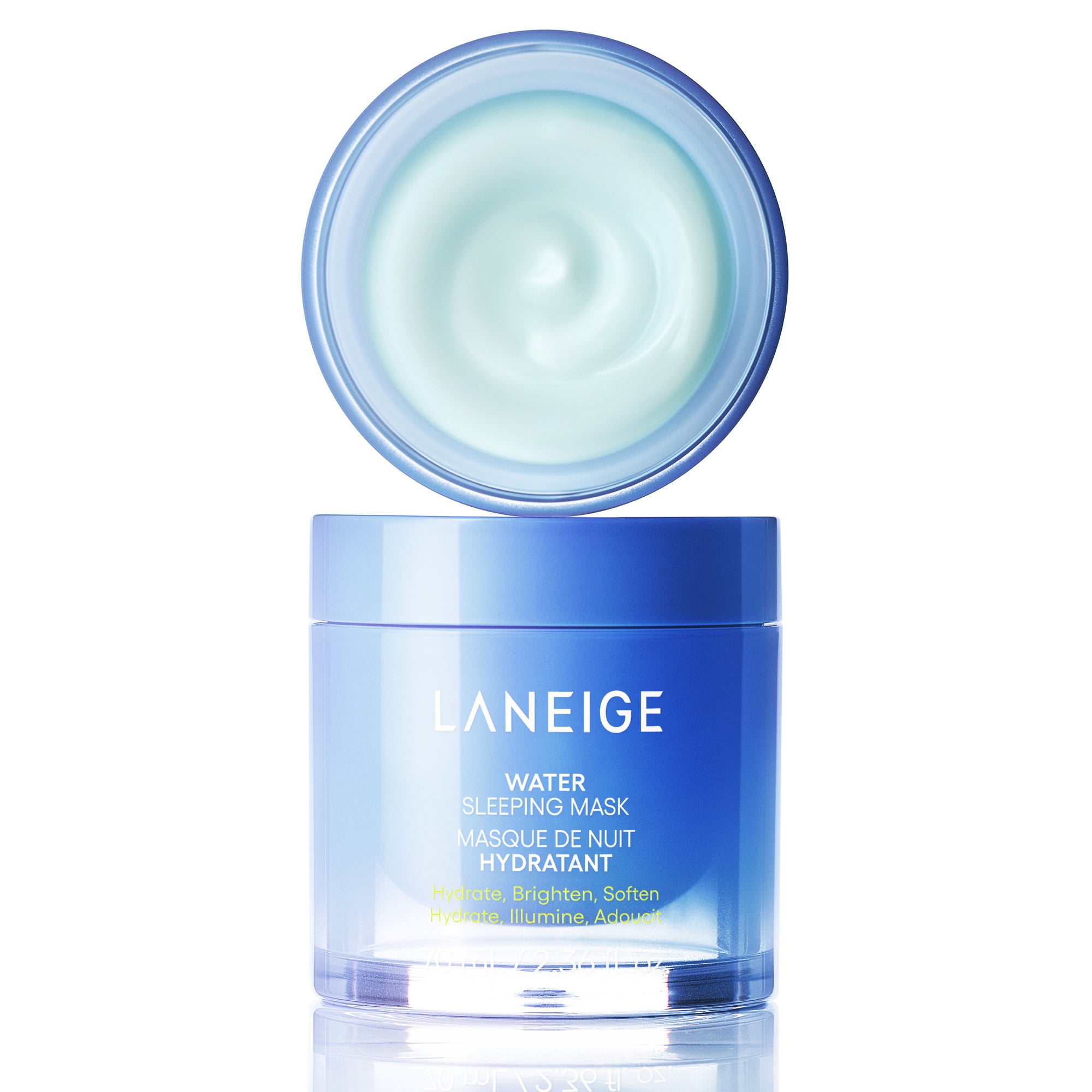
The Laneige formula features a 3x Hyaluronic Night Blend that uses three types of hyaluronic acid for longer lasting hydration. It also includes relaxing sleep notes of lavender and chamomile to help you unwind. While it provides excellent moisture, it lacks the specific wrapping technology found in the YURI mask that provides the intense firming feel and peel off ritual many K beauty fans enjoy. You can compare different textures further in our Collagen Jelly Cream vs Night Mask Guide.
Medicube Collagen Night Wrapping Mask vs YURI
Medicube is another major player in the wrapping mask category. Their Collagen Night Wrapping Mask is an overnight peel off sleeping mask that positions itself as a final step for skin elasticity and glow. Like the YURI version, it aims to improve surface hydration and moisture retention. Medicube cites clinical style claims that include improved elasticity and surface hydration after two weeks of consistent use.
Reviews for the Medicube mask often highlight its effectiveness in improving skin firmness. However, the YURI Collagen Night Wrapping Mask is specifically formulated for the needs of those seeking the classic Korean glass skin look with a focus on both hydration and elasticity. If you are debating between different active ingredients for your night mask, check out our comparison on Collagen vs Kojic Acid Which Night Mask is Right for You?
Belif and Innisfree Overnight Options
For those who prefer a different texture, the Belif Aqua Bomb Overnight Mask offers a unique jelly pudding consistency. This mask blankets the skin with an explosion of hydration, helping it feel refreshed and glowing by morning. It contains Scottish heather for soothing properties and lady's mantle to help neutralize free radicals. It is primarily a hydration focused mask rather than a firming wrapping mask.
Innisfree also provides various hydrating sleeping masks through their official website. While specific data on their latest Hydrating Sleeping Mask formulation is more general, the brand is widely respected for using natural ingredients from Jeju Island. Their products often focus on skin concerns like dehydration and environmental damage, offering a more traditional cream mask experience compared to the advanced film forming technology of a collagen night wrapping mask.
Can You Use a Collagen Mask and Retinol Together?
Yes, you can absolutely use a collagen mask and retinol together. In fact, many dermatologists recommend layering these products to get the best of both worlds. Retinol handles the long term work of rebuilding the skin structure, while the collagen mask provides the immediate moisture and barrier protection that retinol users often lack. This synergy prevents the common peeling and irritation associated with Vitamin A.
When layering, always apply your retinol serum first on clean, dry skin. Allow it to absorb for a few minutes before applying your moisturizer. Finally, apply the collagen wrapping mask as your very last step to seal everything in. For a complete routine guide that incorporates multiple actives, see our Retinol vs Collagen vs Hyaluronic Acid Routine Guide. This approach ensures your skin stays hydrated while you target deep wrinkles.
Choosing the Right Product for Your Skin Type
The choice between a collagen mask vs retinol often comes down to your skin sensitivity and immediate goals. If you have an important event tomorrow and want your skin to look plump and radiant, a collagen mask is the superior choice. It provides a quick fix for dullness and fine lines caused by dehydration. Research from institutions like the American Academy of Dermatology suggests that maintaining a strong skin barrier is the first step in preventing premature aging.
If you are looking for a solution to sun damage or deep wrinkles that have formed over years, retinol is a necessary addition to your routine. However, you do not have to choose one over the other. Most modern K beauty routines emphasize the use of gentle, moisture focused products to balance out strong actives. By using a collagen mask two to three times a week alongside your nightly retinol, you can achieve a balanced complexion that is both firm and hydrated.
For more technical insights into different mask types, including those derived from marine sources, read our guide on Choosing the YURI Salmon PDRN Collagen Mask vs Collagen Night Wrapping Mask. This will help you decide which specific collagen formula fits your skin goals.
Final Verdict on Collagen Mask vs Retinol
In the debate of collagen mask vs retinol, the winner depends on your timeline. Retinol wins for long term biological changes, but the collagen night wrapping mask wins for immediate aesthetic improvement and barrier support. For the ultimate anti aging routine, use retinol for its corrective powers and the YURI Collagen Night Wrapping Mask for its protective and plumping benefits. This combination provides the comprehensive care needed for a youthful, glowing complexion that looks healthy both now and in the future.
Collagen Mask vs Retinol FAQs
Which is better for wrinkles, a collagen mask or retinol?
Retinol is generally better for the long term reduction of deep wrinkles because it stimulates collagen production at a cellular level. However, a collagen mask is better for immediately smoothing out fine lines caused by dehydration.
Can I use a collagen mask every night?
Yes, most collagen masks are hydrating and gentle enough for nightly use. If you are using a peel off wrapping mask, you may prefer to use it 2 to 3 times a week depending on your skin sensitivity.
Does topical collagen actually absorb into the skin?
Most collagen molecules are too large to penetrate deep into the dermis. Instead, they work as powerful humectants on the skin surface, drawing in moisture and creating a plumping effect that makes skin look firmer and more hydrated.
Is retinol safe for sensitive skin?
Retinol can be irritating for sensitive skin. It is best to start with a low concentration or use a 'sandwich method' where you apply moisturizer both before and after your retinol. A collagen mask can also help soothe the skin after retinol use.
Do I wash off the collagen wrapping mask in the morning?
Yes, you should gently peel off or wash away the mask in the morning as part of your AM cleanse to reveal the plumped, hydrated skin underneath.
Keep Reading
- Choosing the YURI Korean Beauty Salmon PDRN Collagen Mask vs Collagen Night Wrapping Mask
- YURI Collagen Night Wrapping Mask Review: Firming and Hydration Results
- YURI Salmon PDRN Collagen Mask Review for Skin Recovery
- YURI Korean Beauty Salmon PDRN Collagen Mask review: is it worth the investment?
- Shop Collagen Mask vs Kojic Acid: Which Night Mask is Best?
- Shop Facial Mask Sheets and Pads with Collagen