

What is a Night Wrapping Mask and How it Differs From Sheet Masks
A night wrapping mask is a specialized Korean skincare treatment designed to create an occlusive barrier that protects your skin while you sleep. Unlike traditional products that evaporate within minutes, this specific mask type uses film forming technology to lock in active ingredients for up to eight hours. By applying a night wrapping mask as the final step of your evening routine, you can significantly improve skin elasticity and hydration levels through prolonged contact with high performance nutrients.
What Is a Night Wrapping Mask?
A night wrapping mask is an overnight peel off treatment that dries into a thin, transparent film on the surface of your skin. This film acts as a protective wrap, preventing moisture from escaping into the air while you sleep. In the world of Korean beauty, this is known as an occlusive treatment. The primary goal is to ensure that every serum and moisturizer applied underneath is forced into the skin rather than evaporating.
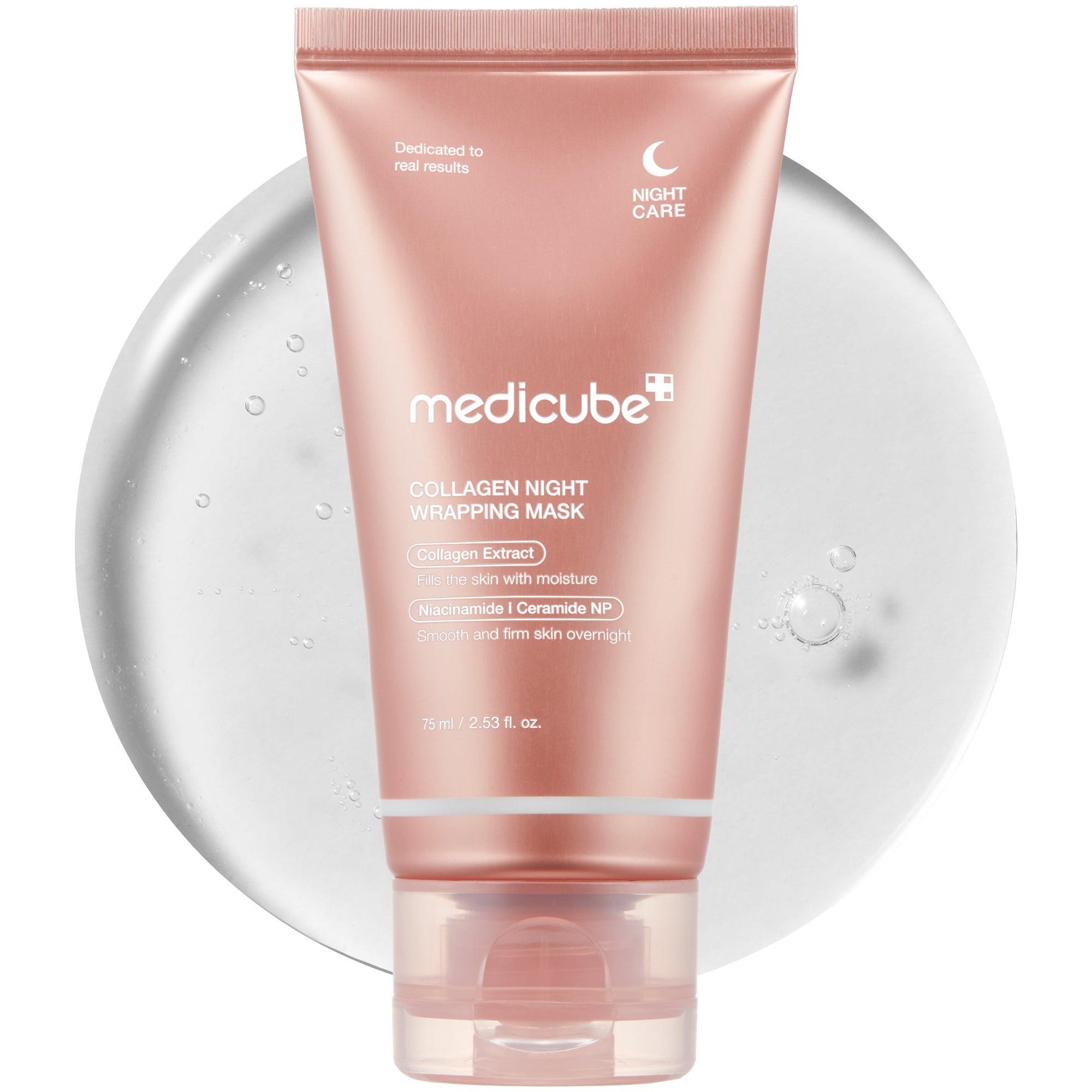
The texture usually starts as a viscous jelly or cream. Once applied, it takes about 15 minutes to set into a flexible layer. Because it is designed to stay on for the entire duration of your sleep cycle, it provides a much deeper level of repair than a standard wash off mask. Most formulas, such as the Collagen Night Wrapping Mask, focus on restoring the skin barrier and boosting protein levels like collagen and elastin.

How the Night Wrapping Mask Differs From Sheet Masks
The main difference between these two formats is the duration of treatment and the mechanism of absorption. Sheet masks are intended for quick hydration, usually lasting 15 to 20 minutes. If you leave a sheet mask on for too long, it can actually start to pull moisture back out of your skin as the fabric dries. In contrast, a night wrapping mask is engineered to remain moist against the skin surface for several hours, providing a continuous infusion of ingredients.
- Absorption: Sheet masks rely on gravity and saturation. Wrapping masks use film forming technology to create a physical seal.
- Convenience: Sheet masks can be messy and require you to remain still. Wrapping masks dry down, meaning they will not rub off on your pillow or hair.
- Results: Sheet masks offer a temporary glow. Night wrapping masks target long term concerns like sagging skin and deep dehydration.
Many users find that switching to an overnight format helps with skin that feels tight or dry in the morning. This is especially true for those living in arid climates or using indoor heating. You can explore more options in the K-Beauty Night Wrapping Masks collection to see how different formulas target specific needs.
The Science of Film Forming Occlusion
To understand why a night wrapping mask is effective, you must understand transepidermal water loss, or TEWL. During the night, your skin temperature rises and its pH levels change, which often leads to moisture escaping from the dermis. This is a primary cause of fine lines and a dull complexion. Occlusive technology creates a physical barrier that mimics the skin's natural lipid layer, effectively stopping TEWL in its tracks.
According to studies published by the National Center for Biotechnology Information, occlusion can increase the penetration of active ingredients by up to ten times. This is why many wrapping masks include potent anti aging components like Adenosine and Niacinamide. These ingredients are held in a pressurized environment against the skin, allowing them to travel deeper into the pore structure than they would in a standard cream.
Does a Night Wrapping Mask Work?
Clinical data and user trials suggest that night wrapping masks are highly effective for increasing skin density and moisture. For example, clinical trials on leading formulas have reported a 31.4% increase in skin elasticity and a 24.8% improvement in moisture retention after just two weeks of consistent use. These results are achieved because the mask provides a consistent environment for skin cell regeneration, which peaks between 10 PM and 2 AM.
Users often report a visible difference in skin bounce and texture immediately after peeling the mask off in the morning. This is not just a surface effect; the prolonged hydration helps plump the deeper layers of the skin, making fine lines appear less prominent. For those looking for intensive results, the Intensive Night Wrapping Treatments collection offers professional grade solutions.

How Often Should You Use a Night Wrapping Mask?
For the best results, you should use a night wrapping mask 3 to 4 times weekly. While it is tempting to use it every night, your skin also needs time to breathe and go through its natural exfoliation process. Using it every other night or three times a week provides a balance between intensive hydration and healthy skin turnover. If you have extremely dry skin, you might increase usage during winter months or after long haul travel.
It is important to listen to your skin. If you notice any congestion, you may want to scale back to twice a week. However, most modern formulas are non comedogenic and designed for frequent use. You can find excellent options for consistent routines in the Best Selling K-Beauty Night Masks collection.
Key Ingredients to Look For
When selecting a mask, the ingredient list determines the long term benefits you will see. A high quality night wrapping mask will typically feature a blend of proteins, humectants, and barrier repair lipids. Collagen extract is often the star ingredient, providing the building blocks for skin firmness. Hyaluronic acid is another essential, as it can hold up to 1,000 times its weight in water, ensuring the skin remains plump throughout the night.
Other vital ingredients include:
- Ceramide NP: These lipids help restore the skin barrier and prevent irritation.
- Niacinamide: Also known as Vitamin B3, this helps brighten the complexion and refine pore appearance.
- Adenosine: A powerful yeast derived ingredient that functions as a soothing and skin restoring agent.
- Glycerin: A classic humectant that draws moisture into the skin.
For a detailed selection of ingredient focused products, visit the All Night Wrapping Masks page. Many of these products, including the popular version from Medicube, are formulated without sulfates or artificial fragrances to minimize the risk of irritation.
Can Face Masks Help With Blackheads?
Yes, certain face masks can assist in managing blackheads by softening the sebum trapped within the pores. While a night wrapping mask is primarily for hydration and elasticity, the occlusive nature of the film helps to soften the top layer of the skin. This makes it easier for debris and hardened oils to be removed during your morning cleanse. For best results, use a gentle exfoliating toner before applying your mask to ensure the pores are clear of surface dead skin cells.
If blackheads are your primary concern, you might also consider alternating your wrapping mask with a clarifying treatment. You can find targeted solutions in the Minimizing Pores and Refining Skin Texture collection. Consistency is key when dealing with congestion; the goal is to keep the skin hydrated enough that it does not overproduce oil to compensate for dryness.
Can Wearing a Mask Trigger Rosacea?
For individuals with rosacea, any product that traps heat can potentially cause a flare up. Because a night wrapping mask is occlusive, it can slightly increase the skin temperature. However, many modern Korean formulas are specifically designed to be soothing and cooling upon application. If you have sensitive or reactive skin, look for masks that contain centella asiatica or ceramides to help calm inflammation.
According to the National Rosacea Society, maintaining a healthy skin barrier is one of the best ways to manage symptoms. A wrapping mask that focuses on barrier repair can actually be beneficial if it does not contain irritants like alcohol or strong fragrances. Always perform a patch test on your jawline before applying the product to your entire face. You can explore the Skincare for Sensitive Skin collection for more compatible options.
How to Apply a Collagen Night Wrapping Mask
To get the best results from your night wrapping mask, you should follow a specific application sequence. Because this mask is a film forming occlusive, it must be the absolute last step in your routine. This ensures it seals in all the beneficial products you have already applied.
- Cleanse: Start with a double cleanse to remove all makeup and impurities.
- Tone and Treat: Apply your favorite toners, essences, and serums. This is the best time to use active ingredients like Hyaluronic Acid or Niacinamide.
- Moisturize: Apply a light layer of moisturizer. If you have oily skin, you may skip this step and go straight to the mask.
- Apply the Mask: Take a generous amount of the mask and spread it evenly across your face, avoiding the eyes and mouth.
- Set: Allow the mask to dry for 15 to 20 minutes before going to bed. It should feel dry to the touch and look slightly shiny.
- Peel and Rinse: In the morning, gently peel off the mask starting from the edges. Rinse your face with lukewarm water to remove any remaining residue.

Troubleshooting Your Overnight Mask
If you find that the mask is difficult to peel off in the morning, it may be because you applied too thin of a layer. A thicker application ensures the film is strong enough to be removed in one or two pieces. Conversely, if the mask feels sticky or wet when you wake up, you may have used too much product or did not allow it enough time to dry before lying down.
For those who move a lot in their sleep, rest assured that these masks are pillow safe once they have set. They are designed to be flexible, so they will move with your facial expressions without cracking. If you experience any redness or itching, discontinue use and check the ingredient list for potential allergens. Most users find that the YURI Collagen Night Wrapping Mask is extremely gentle and suitable for most skin types.
The Future of Overnight Skincare
As we move through 2026, the demand for high efficiency skincare continues to grow. The night wrapping mask represents a shift toward treatments that work with the body's natural circadian rhythms. By providing a controlled environment for repair, these masks offer a level of results that was previously only available through professional spa treatments. Whether you are looking to fix dullness, improve firmness, or simply wake up with a glass skin glow, an overnight wrapping mask is a worthy addition to your vanity.
To see the full range of innovative Korean beauty products, browse the Full YURI Korean Beauty Catalog. Embracing these advanced technologies can help you achieve your skincare goals with less effort and more consistency.
Keep Reading
- Collagen Night Wrapping Mask vs Kojic Acid Turmeric Night Wrapping Mask
- Collagen Wrapping Mask vs Sheet Mask for Your Skin Type
- Best collagen night wrapping mask for sagging skin 2024 review guide
- Collagen Night Wrapping Mask vs Salmon PDRN: Which Mask Do You Need?
- Shop Firming collagen night wrapping mask selection
- Shop Kojic Acid Turmeric Mask vs Collagen Wrapping Mask