

Choosing the right nighttime products is the most important decision for your evening skincare routine because your skin undergoes a natural repair cycle while you sleep. Understanding the differences in a sleeping mask vs night cream allows you to target specific concerns like dehydration, fine lines, or a dull complexion with precision. This guide evaluates the textures, ingredients, and benefits of both options to help you achieve a healthy glow by morning.
The primary differences between a sleeping mask vs night cream
When you compare a sleeping mask vs night cream, the main distinction lies in their function and how they interact with your skin barrier. A night cream is generally designed for daily use to provide essential moisture and support long term skin health. These creams often have a thicker consistency than daytime lotions and focus on replenishing lipids that may have been lost during the day. They are intended to absorb fully into the skin to deliver nutrients and hydration to the deeper layers of the epidermis.
In contrast, a sleeping mask is typically formulated as an occlusive treatment. It creates a physical barrier on the surface of the skin to seal in all the previous steps of your routine. While many night creams focus on absorption, sleeping masks focus on containment. They prevent transepidermal water loss, which is the process where moisture evaporates from your skin during the night. Because of this protective seal, sleeping masks are often used two to three times per week as an intensive treatment rather than a daily necessity.
Texture is another area where these two categories diverge. Night creams are frequently rich and emollient, while many modern sleeping masks, particularly those from Korea, use gel or film forming textures. These specialized textures allow the mask to sit comfortably on the skin without rubbing off on your pillowcase. If you are looking for a routine that provides a significant boost in morning radiance, understanding these structural differences is the first step toward a better complexion.
How nighttime skincare works with your circadian rhythm
Your skin follows a biological clock known as the circadian rhythm, which dictates how it behaves during a 24 hour cycle. During the day, your skin is in defense mode, protecting itself from UV radiation, pollution, and environmental stressors. At night, the skin switches to repair mode. Blood flow to the skin increases, and the rate of cell turnover accelerates. This is the optimal time for applying active ingredients because the skin is more receptive to absorption and regeneration.
Research published in the Journal of Clinical and Aesthetic Dermatology suggests that the skin barrier is more permeable at night. While this increased permeability allows products to sink in deeper, it also means moisture escapes more easily. This is why choosing between a sleeping mask vs night cream depends on your specific hydration needs. A night cream provides the raw materials for repair, while a mask ensures those materials stay where they belong throughout the night.
YURI Collagen Night Wrapping Mask: Our top choice for firming
The Collagen Night Wrapping Mask from YURI Korean Beauty is a specialized treatment designed to provide an intensive overnight experience. Priced at $45, this product utilizes a wrapping mechanism to ensure that the active collagen components remain in contact with the skin for the duration of your sleep. Unlike a standard cream that might absorb and leave the surface dry after a few hours, this mask creates a consistent layer of support.

This mask is particularly effective for those who feel their skin looks tired or lacks elasticity in the morning. By providing a firming wrap, it helps the skin appear more plump and rejuvenated upon waking. It is an excellent choice for users who want a visible cosmetic effect of smoother skin without the heavy, greasy feeling of some traditional Western night creams. For those interested in how this compares to other options, you can read our YURI Collagen Night Wrapping Mask review for more details on the firming results.
LANEIGE Water Sleeping Mask: The hydration standard
The LANEIGE Water Sleeping Mask is a well known contender in the sleeping mask vs night cream debate. Priced at $33, it is designed for all skin types, including normal, dry, and oily skin. The formula is a lightweight, refreshing gel that cools the skin on application and seals in deep hydration. It is award winning and has gained a massive global following for its ability to make skin look like you have had four extra hours of sleep.
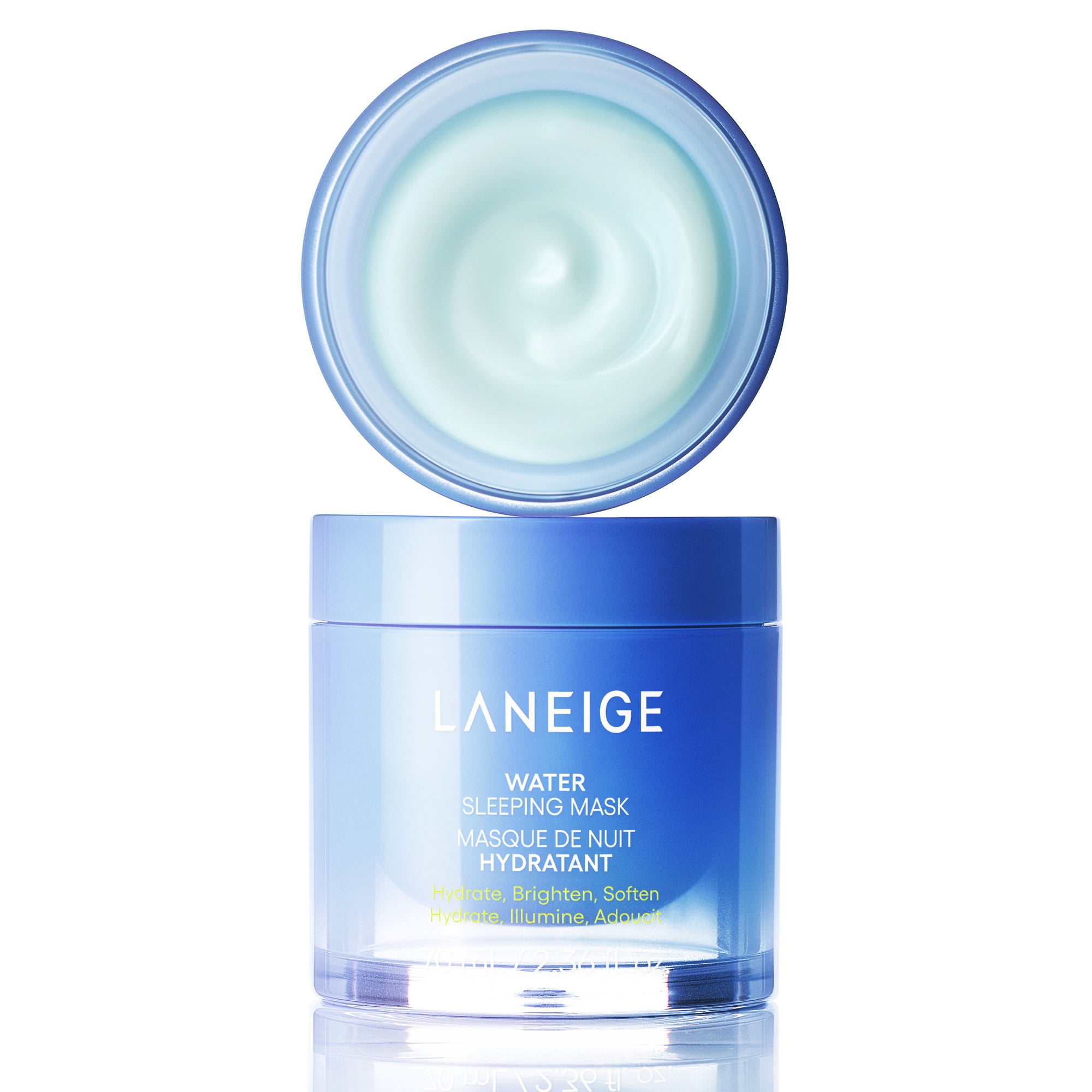
This product features a specific blend of ingredients including squalane, niacinamide, and ceramides. It also contains three types of hyaluronic acid to ensure moisture reaches different levels of the skin surface. The inclusion of relaxing sleep notes like lavender and chamomile makes the application process part of a calming bedtime ritual. Unlike the YURI mask which focuses on a wrapping effect, the LANEIGE version emphasizes a light blanket of moisture that feels weightless. It is formulated without parabens, phthalates, or sulfates, making it a safe choice for those who are conscious of ingredient lists.
Biodance Skin Glow Essence Cream for internal dryness
For those who prefer a traditional cream format, the Biodance Skin Glow Essence Cream is a prominent option in the Korean market. Priced at 39,000 won, this product is marketed as a solution for inner dryness. It is often referred to as a water glow cream because of the dewy finish it leaves on the skin. While a sleeping mask provides a temporary seal, this essence cream works to resolve the root cause of dryness by delivering concentrated nutrients.

This cream is suitable for daily use and is particularly effective for those who experience tightness throughout the day. It functions well as the final step in a routine to provide a healthy glow. If you are comparing a sleeping mask vs night cream and find that your skin feels thirsty every single night, a daily essence cream like this one may be more beneficial than an occasional mask. It aims to provide consistent results rather than a one time boost.
Sleeping mask vs night cream comparison table
To help you decide which product fits your lifestyle and budget, we have compiled the key specifications for these popular nighttime treatments. Use this chart to quickly compare prices and primary benefits.
| Product Name | Price | Key Benefit | Format |
|---|---|---|---|
| YURI Collagen Night Wrapping Mask | $45 | Firming and sealing hydration | Wrapping Mask |
| LANEIGE Water Sleeping Mask | $33 | Cooling and deep hydration | Gel Mask |
| Biodance Skin Glow Essence Cream | 39,000 won | Resolving inner dryness | Essence Cream |
Which one should you choose for your skin type?
Your skin type is the most important factor when deciding between a sleeping mask vs night cream. If you have very dry or mature skin, you may actually benefit from using both. In this scenario, you would apply your night cream as your moisturizer and then layer a sleeping mask on top to act as an occlusive seal. This technique ensures that the rich ingredients in your cream do not evaporate before they can be absorbed.
For individuals with oily or acne prone skin, a lightweight sleeping mask is often the better choice. Many night creams contain heavy oils or butters like shea butter that can feel too thick for those with excess sebum production. A water based gel mask, like the one from LANEIGE, provides the necessary moisture without clogging pores. You can explore more about different mask types in our guide on collagen mask vs sheet mask benefits.
If your primary goal is anti aging and firming, the wrapping mechanism of a collagen mask is superior. These products are designed to hold the skin in a slightly lifted state while you sleep, which can help minimize the appearance of sleep lines and morning puffiness. You can find many of these options in our collection of the best of collagen skincare.
How to layer your night routine for best results
The efficacy of a sleeping mask vs night cream often depends on how you apply it. Proper layering ensures that each product can perform its designated function without interference. Follow these steps for an optimal evening routine:
- Cleansing: Start with a double cleanse to remove sunscreen, makeup, and pollutants.
- Toner and Essence: Apply lightweight watery products first to prep the skin.
- Serum: Use your targeted treatments, such as those containing vitamin C or peptides.
- Moisturizer: This is where you apply your night cream. Massage it into the skin to encourage absorption.
- Sleeping Mask: Apply this as the final step. Spread a thin, even layer across your face and allow it to set for a few minutes before lying down.
According to recommendations from the American Academy of Dermatology, it is best to apply moisturizers while the skin is still slightly damp to trap existing water. If you are using a sleeping mask that forms a film, ensure you do not use too much product, as a pea sized amount is often sufficient for the entire face.
Addressing concerns for acne prone skin and sensitivities
Many people worry that using a heavy overnight product will lead to breakouts. When comparing a sleeping mask vs night cream for acne prone skin, you must look for non comedogenic labels. Modern Korean sleeping masks are often formulated with ingredients like niacinamide, which helps regulate oil production while providing hydration. This makes them a safer bet for those who want moisture without the risk of clogged pores.
If you have sensitive skin, look for formulas that exclude synthetic fragrances and harsh alcohols. Ingredients like squalane and ceramides are excellent for sensitive types because they mimic the natural lipids found in your skin barrier. For a deeper dive into ingredient comparisons, check our collection on niacinamide cream vs night masks. Always perform a patch test on a small area of your jawline before applying a new sleeping mask or night cream to your entire face.
The winner: sleeping mask vs night cream?
There is no single winner that fits every person, but there is a clear winner for specific skin goals. If you want a daily, reliable product that repairs your skin barrier and maintains basic health, a night cream is your essential tool. It is the workhorse of your routine that provides the foundation for everything else. For daily maintenance, the Biodance Skin Glow Essence Cream is a top tier choice.
However, if you want a visible transformation for a special occasion or to combat extreme dryness, a sleeping mask is the superior option. The ability to seal in moisture and provide intensive treatment overnight is something a standard cream cannot replicate. The YURI Collagen Night Wrapping Mask offers a unique firming effect that makes it a standout for those focusing on aging prevention, while the LANEIGE Water Sleeping Mask remains the gold standard for pure hydration.
Ultimately, most skin care enthusiasts find that having both in their cabinet is the best strategy. You can use your night cream daily and swap it for a sleeping mask or layer a mask on top whenever your skin feels particularly stressed or dull. This flexible approach allows you to respond to your skin's changing needs throughout the seasons.