

Best Treatment for Skin Texture and Pore Refinement in 2026
Achieving a smooth and radiant complexion requires identifying the specific ingredients that address roughness, enlarged pores, and unevenness. Finding an effective treatment for skin texture involves selecting chemical exfoliants and barrier supporting actives that resurface the skin without causing irritation or long term damage.
What skin treatment is best for texture?
The most effective treatment for skin texture usually combines chemical exfoliation with deep hydration. Unlike physical scrubs that can cause microtears, chemical treatments using Alpha Hydroxy Acids like lactic acid or Beta Hydroxy Acids like salicylic acid dissolve the bonds between dead skin cells. This process allows new, smoother skin to surface while minimizing the appearance of pores and fine lines. For those with sensitive skin, Korean beauty innovations often favor lactic acid due to its larger molecular size, which penetrates the skin more slowly and provides a gentler experience compared to glycolic acid.
Comparison of professional and topical treatment for skin texture
When researching how to improve skin texture, it is important to understand the difference between clinical procedures and at home topical solutions. Professional treatments offer faster results but require more downtime and a significantly higher financial investment. The following table provides a clear comparison of common modalities used to address textural concerns.
| Treatment Type | Mechanism | Downtime | Typical Cost | Best For |
|---|---|---|---|---|
| Laser Resurfacing | Thermal Injury | 7 to 14 days | $500 to $2,000 | Deep scars and wrinkles |
| Chemical Peels | Acid Exfoliation | 3 to 7 days | $150 to $600 | Hyperpigmentation and dullness |
| Microneedling | Mechanical Injury | 24 to 48 hours | $300 to $800 | Pore size and collagen loss |
| Topical Serums | Daily Refinement | None | $30 to $100 | Maintenance and preventative care |
Topical treatments are excellent for those who want a consistent treatment for skin texture without the risks associated with lasers. According to the American Academy of Dermatology, consistent use of mild chemical exfoliants can significantly improve skin clarity over a period of four to eight weeks.
Top 5 products to improve skin texture
Our selection focuses on products that balance high potency actives with soothing ingredients to ensure the skin barrier remains healthy during the resurfacing process.
1. Squalane + 10% Lactic Acid Resurfacing Serum
This serum is our top choice for those seeking an immediate glow and long term smoothing. The 10% vegan lactic acid effectively dissolves dead skin cells while squalane provides essential hydration. Because lactic acid is a humectant, it helps the skin retain moisture as it exfoliates, making it a superior treatment for skin texture in dry or mature skin types.

- Price: —
- Best for: Rough patches, dullness, and fine lines.
- Key features: 10% Lactic acid, squalane for barrier support.
2. Squalane + 10% Azelaic Pore Minimizing Mask
Azelaic acid is a powerhouse for those dealing with both texture issues and redness. This mask targets clogged pores and inflammation, which are often the root causes of uneven skin. It is a highly effective treatment for skin texture in individuals with oily or acne prone complexions.
- Price: $38.00
- Best for: Enlarged pores and reactive skin.
- Key features: 10% Azelaic acid, non drying formula.
3. Squalane + 5% Niacinamide Brightening Eye Serum
The delicate skin around the eyes often shows texture issues through fine lines and crepey skin. This eye serum uses 5% niacinamide to strengthen the skin barrier and even out the tone. Niacinamide is a proven treatment for skin texture because it boosts ceramide production, which keeps the skin plump and resilient.
- Price: —
- Best for: Fine lines around the eyes and dark circles.
- Key features: 5% Niacinamide, lightweight texture.
4. Kiehl's Ultra Pure High Potency 9.8% Glycolic Acid Serum
For those who prefer glycolic acid, this serum offers a concentrated dose of exfoliation. Glycolic acid has the smallest molecular size among AHAs, allowing it to penetrate deeply. While effective, it can be more irritating than lactic acid, so it is best for those with resilient skin types looking for a more intense treatment for skin texture.
- Price: $45.00
- Best for: Very rough skin and significant sun damage.
- Key features: 9.8% Glycolic acid, minimal ingredient list.
5. The Ordinary Niacinamide 10% + Zinc 1%
This budget friendly option is a staple for controlling oil production and smoothing surface irregularities. The high concentration of niacinamide helps refine the look of pores over time. It is a practical treatment for skin texture for younger users or those with very oily skin.
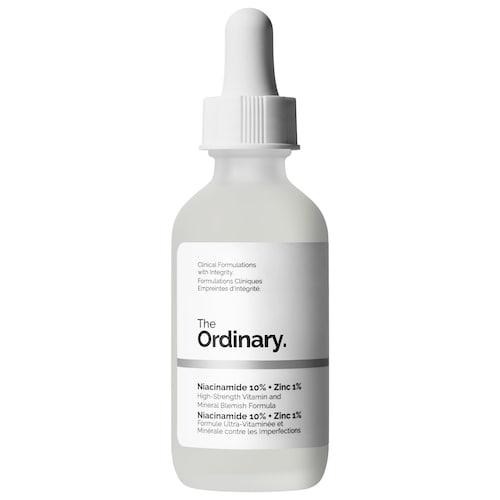
- Price: —
- Best for: Oily skin and congestion.
- Key features: 10% Niacinamide, zinc for oil control.
How to treat textured skin by Fitzpatrick type
The Fitzpatrick scale categorizes skin based on its reaction to sun exposure and its pigment levels. Choosing a treatment for skin texture must take these factors into account to avoid complications like post inflammatory hyperpigmentation or scarring. Studies published in the Journal of Clinical and Aesthetic Dermatology emphasize that higher Fitzpatrick types require a more cautious approach to exfoliation.
- Types I and II: These skin types burn easily and are prone to redness. Lactic acid and gentle AHAs are ideal to avoid irritation.
- Types III and IV: These types tan easily but are at moderate risk for hyperpigmentation. Consistency with niacinamide and azelaic acid helps maintain a smooth texture without triggering pigment issues.
- Types V and VI: Deeper skin tones have a high risk of hyperpigmentation from aggressive treatments. Gentle, slow exfoliation and daily sun protection are necessary when using any treatment for skin texture.
For more targeted solutions, you can explore our collections for Skincare for a Smooth Skin Texture and Minimizing Pores & Refining Skin Texture.
Is there a treatment to fix skin texture safely?
Safety should always be the priority when resurfacing the skin. To treat your textured skin without causing damage, follow these expert guidelines:
- Patch test every product: Apply a small amount of your chosen treatment for skin texture behind the ear or on the inner forearm for 24 hours before full face application.
- Start slow: Use active serums or masks twice a week and gradually increase frequency as your skin builds tolerance.
- Moisturize on damp skin: Applying a hydrator like squalane or a ceramide cream immediately after your treatment helps lock in moisture and reduces the risk of peeling.
- Never skip sunscreen: Chemical exfoliants make your skin more sensitive to UV rays. Daily sun protection is non negotiable to prevent further texture damage from the sun.
Expected timelines for visible results
Patience is essential when using a topical treatment for skin texture. While some products like the Squalane + 10% Lactic Acid Resurfacing Serum can provide a temporary brightening effect overnight, true textural changes occur at the cellular level. You should expect to see significant improvements in smoothness and pore refinement within four to six weeks of consistent use. Professional treatments like microneedling may show results after a single session, but a series of three to six treatments is usually recommended for optimal outcomes.
If you are looking for an all in one solution to refresh your routine, consider a Dull Skin Revival Kit to jumpstart your progress.
Related Articles
- The Best Treatment for Uneven Skin Texture to Smooth Your Complexion
- Best Dark Spot Treatment for Dark Skin and Safe K Beauty Solutions
- Treatment for Uneven Skin Tone At Home vs Professional Facials
Explore Our Collections
Keep Reading
- Effective Hyperpigmentation Treatment for Dark Skin Options for 2026
- Uneven Skin Texture Treatment Guide for a Smooth Complexion in 2026
- Best treatment for sagging skin around mouth and how to stop smile lines
- Non-Surgical Treatment for Sagging Skin A Guide to Firming Masks
- Shop Brightening Face Masks for Dark Spots
- Shop Essential Night Wrapping Masks for Beginners