

Rough skin and visible bumps can make your daily routine feel frustrating, but finding the right uneven skin texture treatment can restore your natural glow. Achieving a smooth complexion involves understanding the science of cellular turnover and selecting ingredients that gently resurface the skin without causing irritation. This guide explains how to address irregularities and build a routine that yields lasting results.
What Causes Rough Skin and Can Uneven Skin Texture Be Fixed?
Many people wonder if they are stuck with their current skin feel or if uneven skin texture can be fixed through consistent care. The answer is yes, most textural issues are treatable with the right approach. Roughness often stems from a buildup of dead skin cells that fail to shed properly, a process known as desquamation. When these cells linger on the surface, they create a dry, sandpaper like feel and can trap oil inside pores.
Environmental stressors also play a significant role. Chronic sun exposure breaks down collagen and elastin, leading to a leathery feel and enlarged pores. Additionally, dehydration can cause the skin to appear crinkled or tight, emphasizing every small bump. By addressing these root causes with a targeted uneven skin texture treatment plan, you can successfully refine your skin's surface. Consistency is the most important factor because skin cells take about 28 to 40 days to renew.
Chemical Exfoliation for Rapid Skin Smoothing
The most effective uneven skin texture treatment involves chemical exfoliation. Unlike physical scrubs that can cause micro tears, chemical exfoliants like Alpha Hydroxy Acids (AHAs) dissolve the glue holding dead cells together. Lactic acid is particularly favored by dermatologists for its larger molecular size, which allows it to penetrate more slowly and reduce the risk of irritation while providing significant smoothing benefits.
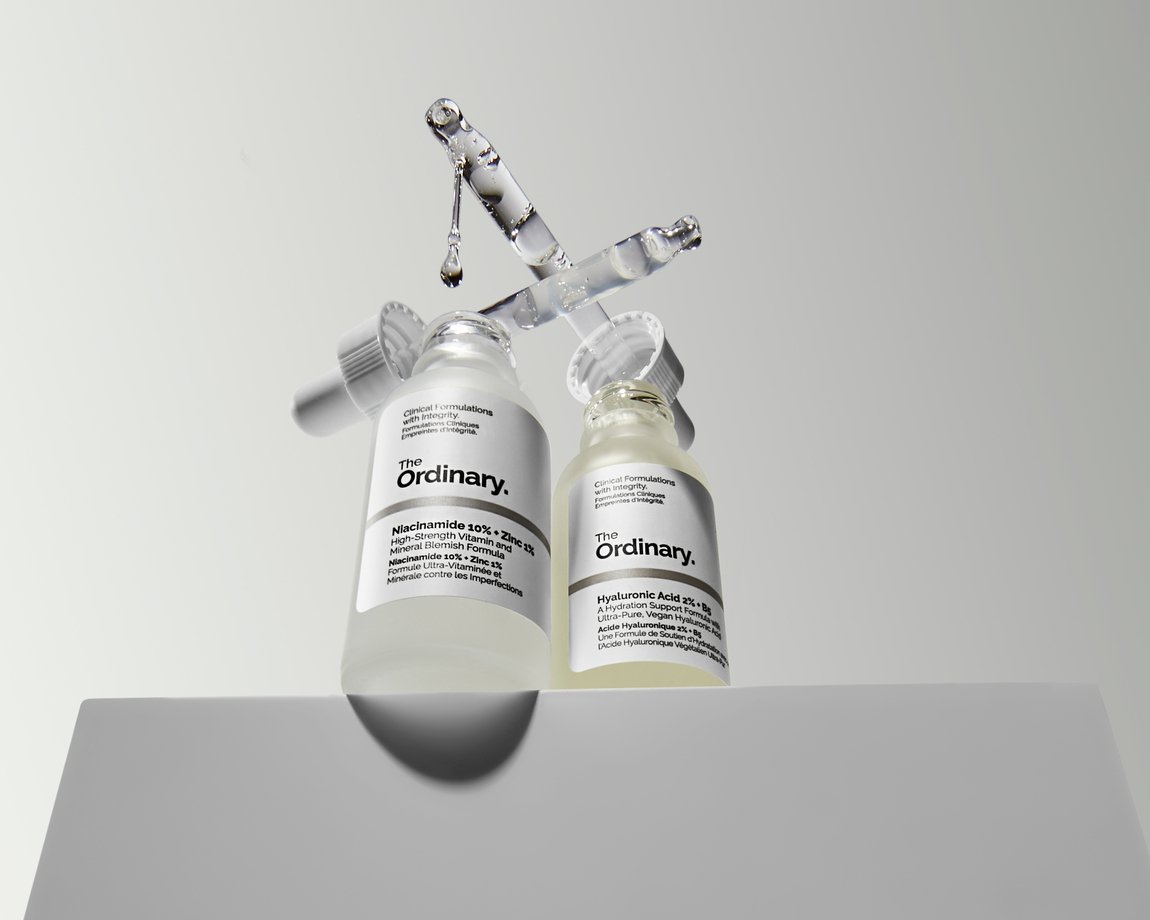
Incorporating a resurfacing serum at night allows the active ingredients to work with your body's natural repair cycle. Regular use of AHAs helps to clear away the debris that makes skin look dull and feel rough. For those with sensitive skin, starting with a lower concentration once or twice a week is the best way to build tolerance. Over time, you will notice a significant reduction in the appearance of small bumps and dry patches.
Pore Refinement and Niacinamide Benefits
Large pores and congestion often contribute to an orange peel appearance. Niacinamide, also known as Vitamin B3, is a powerhouse ingredient for texture because it helps regulate oil production and supports the skin barrier. When your skin produces too much sebum, pores can become stretched and more visible. By balancing this oil, niacinamide allows pores to return to their normal size, creating a more uniform surface.
You can also use specialized masks to target deep seated congestion. Ingredients like azelaic acid are excellent for evening out the complexion and reducing redness associated with texture. According to the American Academy of Dermatology, maintaining clear pores is essential for preventing the long term scarring that leads to permanent textural changes. Using a weekly treatment can supplement your daily routine for more intensive results.
Nourishing the Barrier with Peptides and Moisture
A damaged skin barrier is a common but overlooked cause of roughness. When the lipid layer is compromised, moisture escapes and the skin becomes reactive and textured. An effective uneven skin texture treatment must include deep hydration to plump the skin and fill in fine lines or small indentations. Peptides are short chains of amino acids that act as building blocks for proteins like collagen, helping to restore skin elasticity and bounce.
For individuals looking to improve their skin feel, using a multi peptide serum can provide the necessary nutrients for repair. This is especially important for those following a glass skin routine, where the goal is a perfectly smooth and reflective surface. Pairing these actives with a rich moisturizer ensures that the hydration is locked in throughout the day and night.
Why Sunscreen Is the Most Important Step for Glass Skin
Prevention is just as important as correction. UV radiation is the primary cause of premature aging and skin degradation. Sun damage destroys the healthy collagen fibers that keep your skin smooth and firm. Without daily protection, any progress made with exfoliants or serums will be undone by further environmental damage. A mineral sunscreen containing zinc oxide provides a physical shield that reflects harmful rays before they can penetrate the skin.
Applying sunscreen should be the final step of your morning routine, regardless of the weather. Modern formulas are designed to be sheer and lightweight, making them suitable for all skin types including those prone to congestion. By protecting your skin today, you are ensuring that your pore refining treatments remain effective for years to come. This proactive approach prevents the formation of new texture issues while allowing current damage to heal properly.
Advanced Tips for Persistent Texture Issues
If your skin texture does not improve with over the counter products, you may need to consider professional options. Treatments like microneedling or laser resurfacing can reach deeper layers of the dermis to stimulate significant collagen production. These are often used for deep acne scars or severe sun damage that topical creams cannot fully address. However, these procedures should always be complemented by a solid home care routine.
In addition to clinical treatments, look at your cleansing habits. Using a powder wash can provide very gentle physical exfoliation that is safe for daily use. This helps to maintain the results of your chemical exfoliants by removing the very top layer of loose debris. Exploring a healthy skin barrier focus will ensure that your skin remains resilient enough to handle these stronger treatments without becoming sensitive or inflamed.
Structuring Your Treatment Routine
To see the best results, you must organize your products logically. Start with a gentle cleanser to remove impurities without stripping natural oils. Follow this with your targeted treatment, such as a lactic acid serum or a peptide concentrate. Always apply products from thinnest to thickest consistency to ensure maximum absorption. Finish your evening routine with a nourishing cream to seal in the active ingredients.
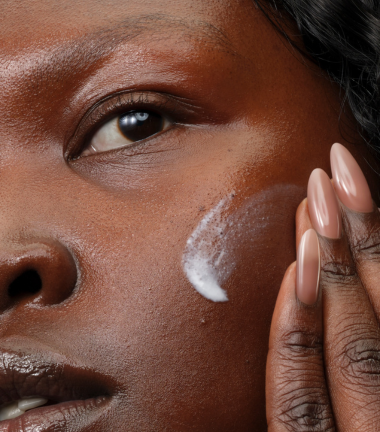
Remember that more is not always better. Over exfoliating is a common mistake that can lead to increased texture due to inflammation and peeling. Listen to your skin and give it rest days when needed. Incorporating soothing ingredients like squalane or aloe can help mitigate any temporary dryness caused by active treatments. For more guidance on specific product pairings, research the latest clinical studies on topical skin smoothing to understand how different molecules interact with your biology.